



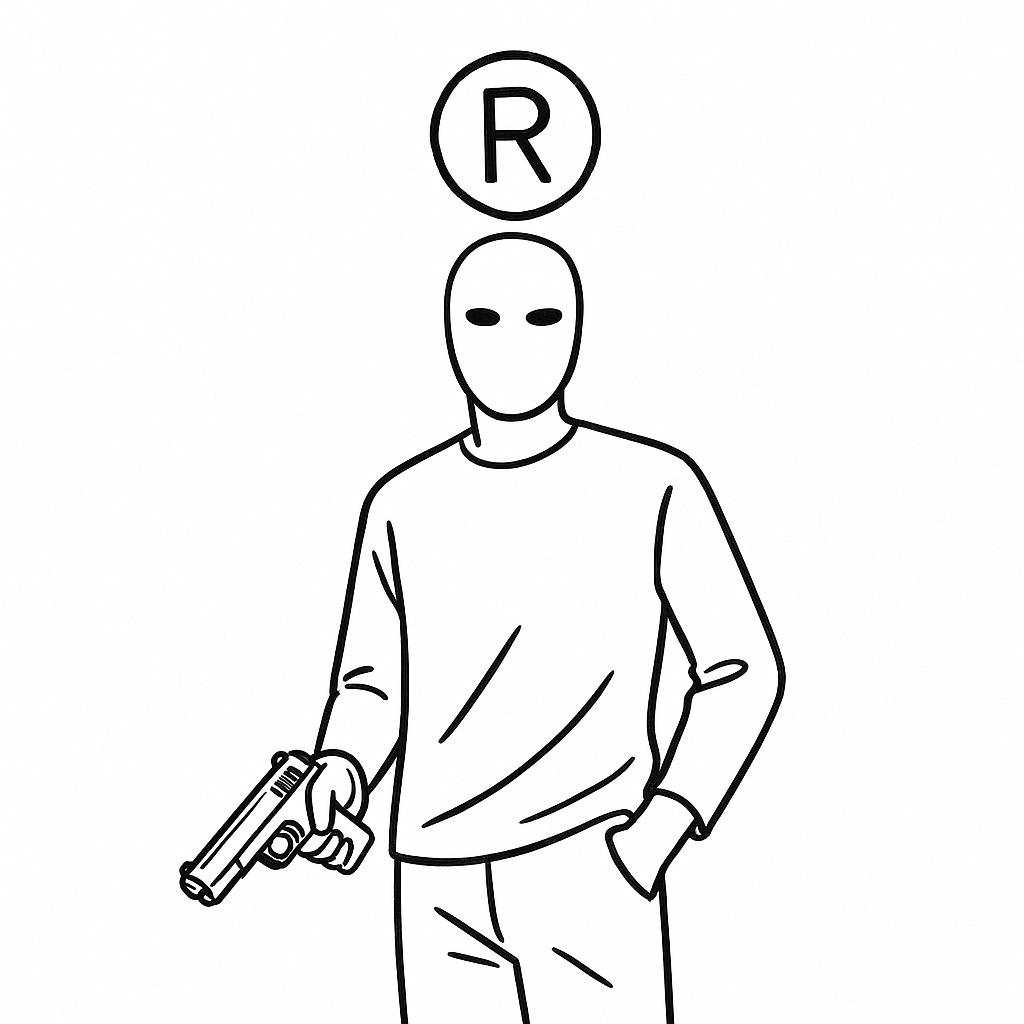
The popularity of this pose led Dikec to trademark it in order to prevent the unauthorized use of his image. As his coach emphasized, many companies had tried to use his pose for commercial purposes without his consent, which prompted the athlete to apply for legal protection in Turkey. The trademark also aims to control the commercial use of the pose, as more and more companies began selling merchandise featuring his image. Interestingly, the pose has become an inspiration not only for other athletes but also for celebrities, who are eager to imitate it.
Thanks to the trademark registration, Dikec can now control the use of his pose on products such as t-shirts, mugs, and gadgets, which can become a significant source of income. In addition, it allows him to create licensing agreements, whereby other companies can legally use his image in exchange for fees. Protecting the pose as a trademark strengthens his brand, making Dikec’s image a recognizable symbol, which increases his marketing value and opens the door to new sponsorship deals.
While trademarking a distinctive pose can be an effective marketing tool, there are also critical voices that may consider such actions to be too restrictive or overly commercial. It is important to strike a balance between business interests and public goodwill. However, trademarking distinctive gestures by athletes is not new – examples include Michael Jordan’s “Jumpman” logo, based on his famous dunk pose, and Usain Bolt’s “Lightning Bolt,” which has also n trademarked.
Although the idea of trademarking a pose seems straightforward, the process can be complex. To obtain trademark protection, Dikec must prove that his pose is sufficiently unique to warrant legal protection. This can be challenging, especially if similar poses are common in the sport. An important element will also be the actual use of the trademark, i.e., using the pose for commercial purposes, and not just mentioning it in sports reports in the media.
Another challenge is that trademark protection only applies in the countries where it is registered. To protect his rights globally, Dikec will have to file applications for protection in various countries, which involves high costs and time-consuming legal processes.
Yusuf Dikec’s decision to trademark his pose is a strategic move that allows him to protect his unique image and capitalize on it financially. Despite the potential challenges associated with the registration process and public reception, Dikec’s case serves as an interesting example of how intellectual property law is adapting to new forms of expression. Securing Dikec’s distinctive pose highlights the importance of distinctiveness and demonstrates that even a simple pose can become a valuable asset when it gains international attention.
Fill out the form and we will get back to you within the next … with a preliminary quote.