



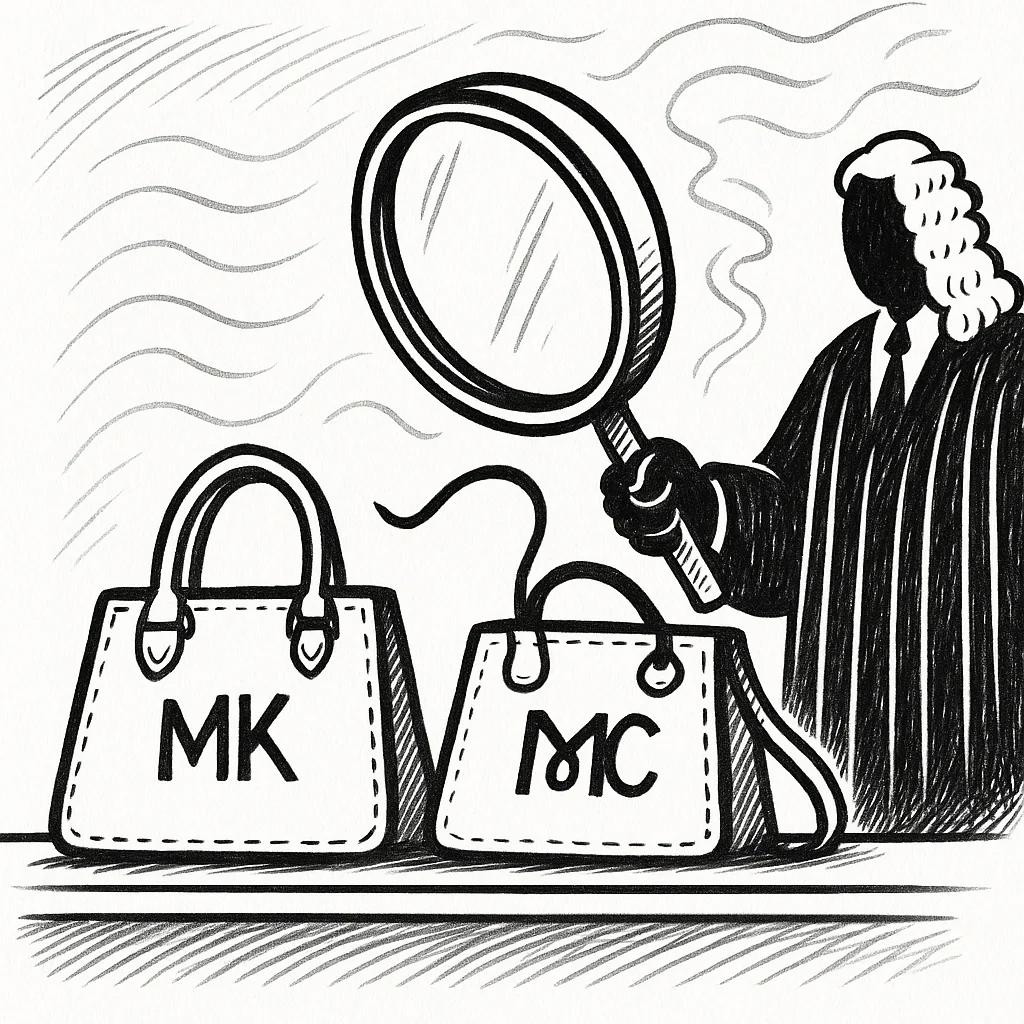
On December 23, 2024, the Haidian Court in Beijing issued a judgment awarding Michael Kors 5 million RMB in damages for trademark infringement and unfair competition related to the “MK” trademark. The judgment also included an injunction to cease the infringing activities and became final as the defendants did not file an appeal. This case has become a symbol of effective intellectual property protection in China and a confirmation of the Michael Kors brand’s reputation in the international market.
The case began when Michael Kors noticed that its trademark rights were being infringed in China through the use of marks such as “MKO” and “MAITANE KALOS.” Interestingly, the infringer was not a single entity but three: a leather goods manufacturer, a trading company, and a brand management company. Due to the continued infringement, the fashion giant filed a lawsuit against all three entities, seeking not only an injunction to stop the infringement but also substantial damages.
During the proceedings, the defendants presented their arguments in an attempt to prove their innocence:
• The manufacturer and trading company claimed that they were operating under legally registered trademarks, “MKO” and “MAITANE KALOS.” Although these trademarks were later invalidated, the defendants maintained that they had no intention of infringing on Michael Kors’ rights.
• The brand management company argued that it was merely selling products that it had legally purchased from the other two defendants. It claimed that it was unaware of any potential infringement.
The defendants ultimately jointly challenged the amount of damages sought, arguing that the plaintiff had not provided sufficient evidence of the losses incurred.
The court reached different conclusions, clearly stating that the similarity between the trademarks “MKO” and “MAITANE KALOS” and the trademark “MK” could mislead consumers. Due to the high reputation of the Michael Kors brand, there was a risk that customers would believe that the defendants’ products were related to the plaintiff’s brand.
Furthermore, the decorations used on the defendants’ products were almost identical to the distinctive elements of Michael Kors handbags. This visual similarity could cause confusion among consumers and violated the provisions of the Act on Combating Unfair Competition.
Finally, according to the court, the close connections between the defendants indicated that they had collaborated in carrying out actions that infringed the plaintiff’s rights. The court found that the defendants’ actions were deliberate and organized, which determined their joint responsibility.
This ruling sets an important precedent for the protection of trademarks and the fight against unfair competition in China. The court emphasized that Michael Kors’ long-term and consistent efforts in building brand reputation deserve protection against attempts at imitation. This ruling not only strengthens Michael Kors’ position in the Chinese market but also sends a clear signal to other companies that attempts to infringe intellectual property rights may have serious consequences.
The success in this case also demonstrates the importance of effective enforcement of intellectual property rights, which may encourage other international brands to increase their activities in the Chinese market.
Fill out the form and we will get back to you within the next … with a preliminary quote.