



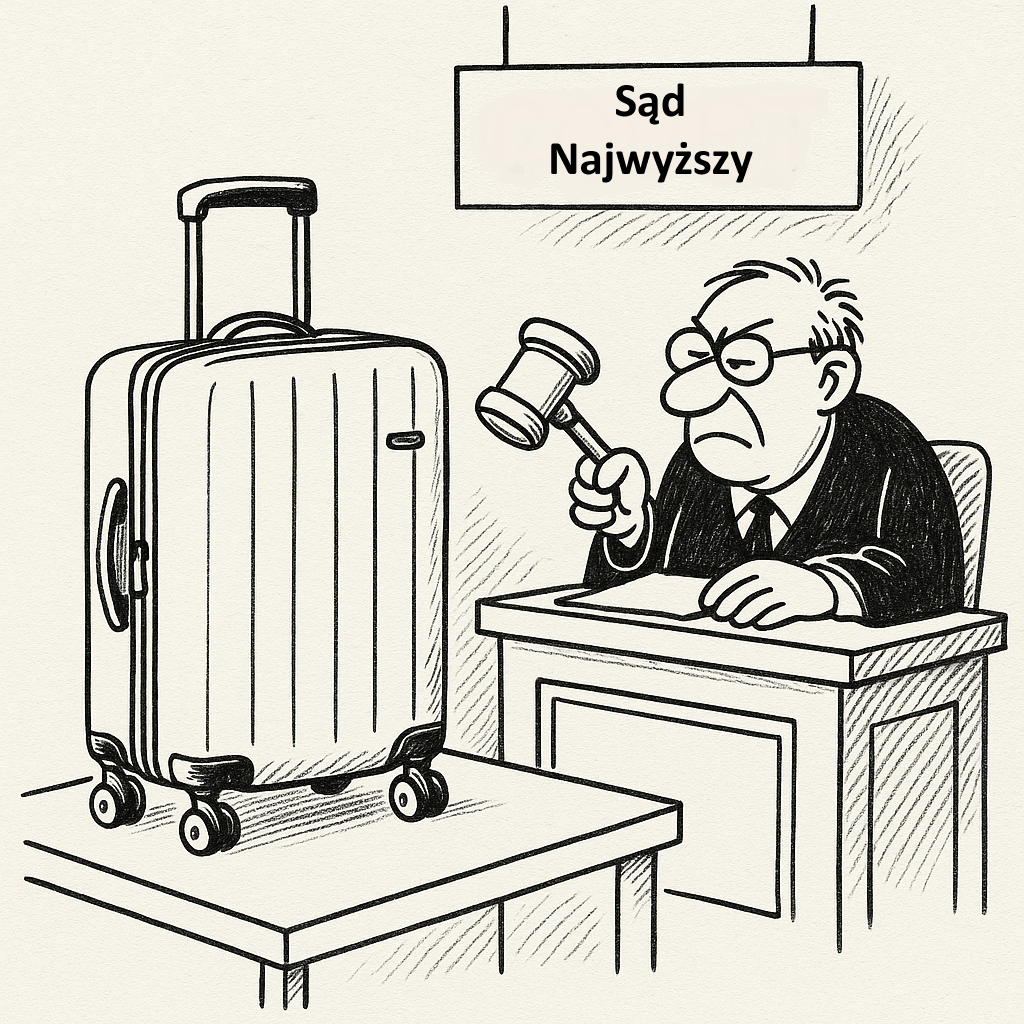
In a May 30, 2025 ruling, Judge Amit Bansal found that the defendants had infringed both Mokobary’s registered trademark and its “trade dress”—the unique combination of visual elements that create a product’s distinctive identity. The ruling emphasized that the copying of the yellow, checkered lining with the letter “m,” the horizontal ribbing, and the specific color scheme could not have n accidental. The court pointed to a deliberate act intended to mislead consumers, emphasizing that the only reason for such extensive similarity was an attempt to appropriate the brand’s reputation.
The decision to issue a temporary injunction without hearing the opposing party was made after the defendants ignored court summons despite formal notification. Such immediate protective measures are applied in situations where delay could cause irreparable damage. In the case of Mokobara, this concerned both financial losses and the erosion of the unique brand image that had n built since 2020. The court emphasized that even details, such as the arrangement of zippers and the multi-directional wheel system, were copied, which clearly indicated intentional action.
Mokobara’s lawyers documented 14 key design elements that competitors copied from Ventex Germany’s website. These included the specific arrangement of rectangular panels, the unusual combination of materials such as polycarbonate with aluminum, and even the way products were presented in marketing photographs. Importantly, the defendants did not limit themselves to physical products; they also copied the content marketing strategy, including the formats of social media posts, which the court considered to be a particularly aggressive form of unfair competition.
The Mokobara vs. Ventex Germany case sets a new standard for design protection in India. Legal experts point out the broad interpretation of the concept of “trade dress” and the recognition of social media as a major channel for infringements. The next hearing, scheduled for October 10, may bring about groundbreaking rulings regarding the amount of compensation for infringements in the online environment. For smaller brands, this is a signal that it is worth investing in the registration not only of wordmarks but also of entire design concepts, especially in the era of global digital commerce, where copying has unfortunately become a common practice.
Fill out the form and we will get back to you within the next … with a preliminary quote.