



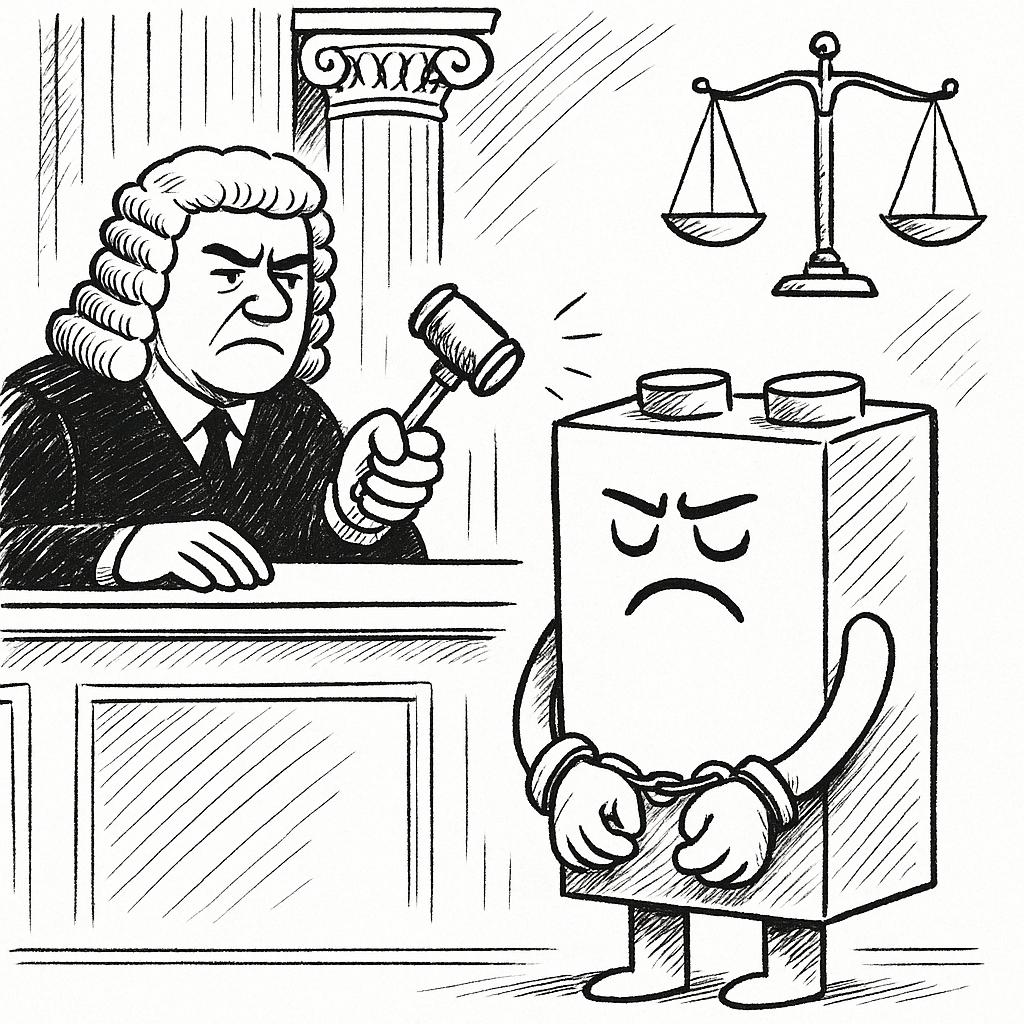
For years, LEGO has n investing in the development of educational products and services in China. Based on agreements with Nanrang, distributors and operators of educational centers operating under the LEGO brand were designated. One of the companies cooperating with Nanrang was Tenggu, which was granted the right to sell products exclusively through school channels. However, the agreement clearly prohibited the use of the LEGO brand in marketing activities that could mislead customers, especially in recruiting franchisees or promoting new educational centers. Despite these clear restrictions, Tenggu began building its own franchise network, using the "LEGO Education" and "LEGO Courses" designations as its main marketing lure. Within a few years, a network of over 200 locations was established throughout the country, and each franchise involved fees of up to 120,000 yuan.
Since 2015, Tenggu had n conducting recruitment and marketing activities, basing its offer on the prestige and recognition of the LEGO brand. The company's website contained statements directly suggesting an official connection with LEGO, and the company's trademarks were displayed on storefronts, posters, promotional materials, and employee uniforms. In practice, the franchise was selling the "LEGO brand" as a product in itself. Despite numerous requests from Nanrang to cease the infringements, Tenggu did not change its practices. Moreover, even after the authorization expired, the company continued to use the LEGO trademarks. The court found that such actions not only exceeded the scope of its rights but also demonstrated the large scale and persistence of the infringements.
The court found that Tenggu’s use of trademarks identical or very similar to LEGO’s registered trademarks in the context of its educational activities led to consumer confusion. Such actions constituted a classic infringement of trademark law, in accordance with the Chinese Civil Code and the Trademark Law. During the proceedings, Tenggu refused to provide financial documents, which the court considered as additional evidence of bad faith. Based on estimates, it was determined that the company generated approximately 24 million yuan in revenue from franchise fees. Taking into account the scale of the infringements, the persistence of the actions, the lack of cooperation in the proceedings, and the serious damage to LEGO’s reputation, a threefold multiplier was applied to the damages. Ultimately, the court awarded 35 million yuan in damages, plus legal costs, and some of the liability also fell on individual franchisees.
The ruling demonstrates that Chinese courts are increasingly willing to use the instrument of criminal compensation to deter trademark infringement. For brand owners, this means the need to maintain a transparent authorization chain and actively monitor how business partners use logos and company names. A lack of effective control can lead to years of disputes and reputational damage. Franchisees, in turn, should carefully verify licensing documents and ensure that their activities are actually based on a legal basis. Ignorance or reliance on vague promises from the franchisor can lead to financial liability amounting to millions. Consumers, on the other hand, should be vigilant – using the services of only those entities that can demonstrate official brand authorization.
Fill out the form and we will get back to you within the next … with a preliminary quote.