



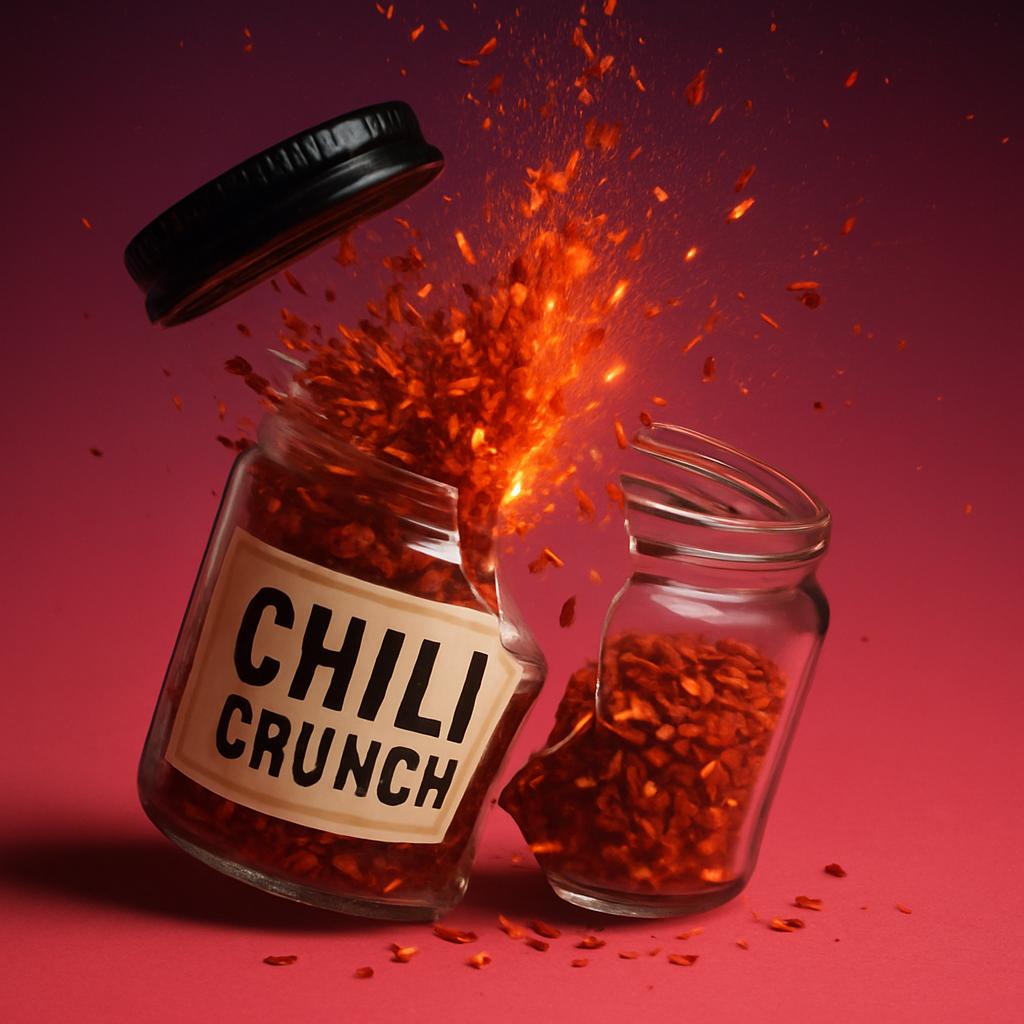
In its response, Momofuku argued that it has offered a product called chili crunch since 2018 and has n selling it in jars since 2020. The letters cited rights derived from “common law,” meaning protection obtained through long-term use in commerce. The company pointed to the popularity of its product as evidence of its right to the trademark. However, chili crunch is not an invention of Momofuku. Sauces such as “chili crisp,” “chili oil,” or “crunchy chili sauce” have long n popular in Chinese cuisine and used in various Asian dishes. An example of this is the brand Homiah, founded by Michelle Tew, which produces Sambal Chili Crunch – a product based on a family recipe from Malaysia. After receiving the letter from Momofuku, Tew expressed her disappointment that a company with such an established position would threaten a small, one-person business that draws on family tradition.
Stephen Coates, the lawyer representing Homiah, accused Momofuku of “trademark bullying,” which he described as deliberately targeting smaller companies in the hope that they will succumb to the financial pressure of a larger entity. Other small businesses, such as MìLà from Seattle, whose MìLà Chili Crunch product was also targeted by the well-known brand, received similar letters. Caleb Wang, a co-owner of MìLà, criticized Chang’s company’s actions, arguing that they are intended to eliminate competition from a much larger competitor.
Momofuku was founded in 2004 when David Chang opened Momofuku Noodle Bar in New York. His modern approach to Asian cuisine quickly gained popularity, and over time, Chang opened more than a dozen restaurants in North America. He also co-founded Momofuku Milk Bar with pastry chef Christina Tosi, which became another success in his culinary empire. Today, Chang is worth approximately $60 million, and the brand itself generates $50 million in annual revenue.
Although Momofuku is still awaiting the approval of its “chili crunch” trademark, the company already secured exclusive rights to the phrase “chile crunch” in 2023 through a settlement with Chile Colonial, a company that has n producing a Mexican version of chili sauce for over a decade. However, many industry representatives believe that the phrase “chile crunch” is too generic to be trademarked. Jing Gao, the founder of Fly By Jing, a company that produces Sichuan Chili Crisp, expressed her concern, stating that Momofuku is trying to trademark a term that has n an integral part of Chinese culinary culture for centuries. She believes that such actions could lead to unfair competition and threaten smaller businesses. To obtain the right to the phrase “chili crunch,” Momofuku will have to prove that the term has gained unique recognition through intensive and prolonged use in commerce. This process could take between 12 and 18 months. In the meantime, small businesses like Homiah and MìLà will have to make decisions about the future of their products.
As it turned out, the media storm surrounding the controversy related to the aforementioned trademark brought about an unexpected outcome.
Chef David Chang apologized for his company, Momofuku’s, actions regarding the attempt to trademark the term “chili crunch.” The apology came after strong criticism from Asian-owned small businesses, who saw these actions as a threat to their businesses.
In response to the wave of negative reactions, the brand’s founder addressed the issue in his podcast, The Dave Chang Show. Chang explained that the company decided to withdraw its efforts to trademark “chili crunch” with the USPTO and stopped sending letters demanding that other companies cease using the term.
Fill out the form and we will get back to you within the next … with a preliminary quote.