



For football fans who grew up in the early 21st century, the “Total 90” is more than just a pair of boots. It’s a symbol of an era. The best players wore them – from Wayne Rooney to Luís Figo. The distinctive design and aggressive advertising campaigns made the brand an icon. However, sportswear fashion moves forward. Over time, Nike stopped developing the “Total 90” line, replacing it with newer technologies and models, such as Hypervenom or Phantom. From a business perspective, this is a normal course of events. A product becomes outdated, so it disappears from the shelves. However, from a legal perspective, ceasing to use a trademark has serious consequences. In the United States (and in many other jurisdictions), trademark protection lasts as long as the mark is used in commerce. Nike allowed its registration for the “Total 90” trademark to lapse in 2019. For the giant, it was probably just an “old model” that the marketing department had forgotten about.
The moment Nike officially relinquished its trademark protection, a smaller company, Total90 LLC, stepped in. They noticed that the name was "available" and decided to capitalize on it. They registered the trademark and began using it, building their own line of clothing and accessories. They were operating within the law: since the previous owner had abandoned the brand, it became public domain, and therefore available to the first interested party who actually brought products to market. For several years, the small company quietly built its position. The problem arose in 2025, when a retro and nostalgia trend swept through Nike's marketing department. The corporation decided to relaunch the iconic "Total 90" cleats. The giant assumed that since it was their historical name, they had a natural right to it. However, they failed to consider that in the meantime, the legal landscape had changed, and the rights to the name now belonged to someone else.
Total90 LLC wasn't intimidated by Nike's power and filed a trademark infringement lawsuit. The smaller company's lawyers argue that it is Nike that is now infringing on their rights. They point to the phenomenon known as "reverse confusion." Usually, in counterfeit cases, a large company sues a small one to prevent it from impersonating the original. Here, the situation is reversed: the small company, which is the legal owner of the trademark, fears that the entry of a giant into the market with the same product will cause customers to believe that Total90 LLC's products are Nike counterfeits. The argument is logical: since Nike has flooded the market with its goods and advertising, the average consumer will assume that Nike is the owner of the "Total 90" brand, and the smaller company is stealing their idea. In legal reality, it is exactly the opposite. The lawsuit raises the question of whether a corporation can "reclaim" an abandoned brand, ignoring the rights of entities that have legally taken it over in the meantime.
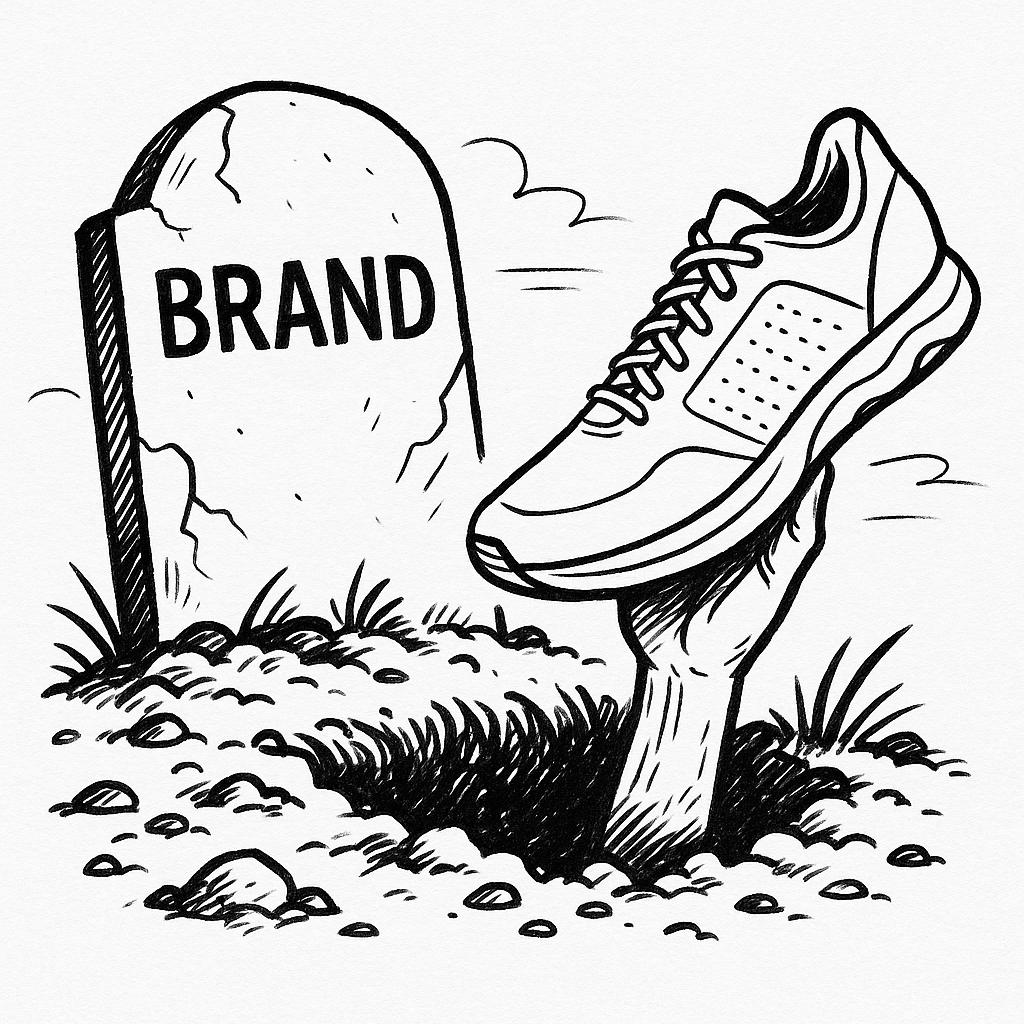
The “Total 90” case serves as a warning against creating so-called “zombie brands” – brands that have faded away but which corporations try to revive after many years, without checking the legal status. It offers a crucial lesson for lawyers and marketers: consumer sentiment is not the same as the right to a trademark. The fact that you came up with a name twenty years ago does not mean that it belongs to you forever if you have stopped using it. If Nike loses this dispute, it will be an expensive lesson about the need to continuously manage its portfolio of trademarks. It may turn out that in order to sell its legendary shoes, the giant will have to buy a license from a small company that was simply smarter and better acquainted with the regulations on the expiration of protection. In intellectual property law, there is no room for sentiment – hard dates and actual use of the trademark matter.
Fill out the form and we will get back to you within the next … with a preliminary quote.