



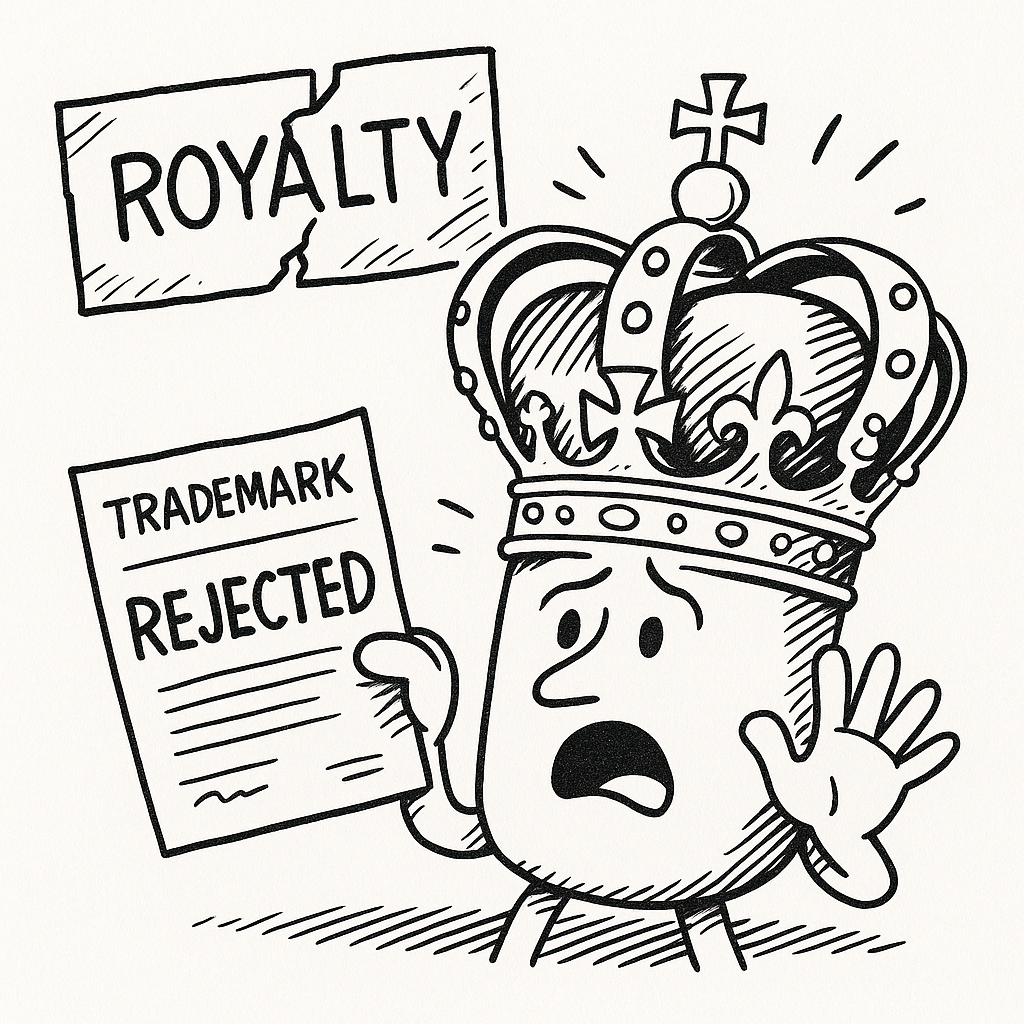
In 2024, Meghan Markle attempted to launch her lifestyle brand, “American Riviera Orchard.” Through her corporate entity, Mama Knows Best LLC, she filed several applications for U.S. trademarks to secure the rights to the name AMERICAN RIVIERA ORCHARD. The applications included a range of products, such as baking dishes, tablecloths, jams, and coffee. The Duchess planned to create a brand that would reflect her personal passion for cooking, crafting, and gardening. The chosen name referenced the home of Meghan and Prince Harry – Santa Barbara, California, often referred to as the “American Riviera” due to its location, climate, and prestige. The brand was intended to be exclusive and authentic, representing the values that Meghan wanted to promote after stepping down from the British royal family. The entire project was part of the Duchess’s effort to build her own business identity in the United States, independent of her royal title but leveraging her recognition and influence.
Meghan Markle’s ambitions quickly collided with bureaucratic reality when the United States Patent and Trademark Office (USPTO) identified significant issues with her applications.
The first was that the term “American Riviera” was deemed geographically descriptive of the origin of the goods. The USPTO pointed out that the name is commonly used as a nickname for the city of Santa Barbara, California, which is located near the Duchess’s residence. Under trademark law, terms that merely describe the geographic origin of products cannot be exclusively reserved. The second problem was the use of the word “Orchard,” which was deemed descriptive of some of the goods listed, particularly those related to food and beverages. The USPTO also criticized the quality of the trademark applications themselves, noting that in one of them, the letter “O” was so stylized that it could no longer be recognized as a letter, resulting in a discrepancy with the literal description of the verbal element to which the application referred. All of these obstacles put Meghan’s original plan for the “American Riviera Orchard” brand in question, demonstrating that even individuals with significant influence must adhere to the same rules as all those seeking trademark protection.
Undeterred by the challenges, Meghan Markle decided to abandon her previous plans and start anew. In February 2025, she announced via Instagram that her new brand would be called “As Ever,” reflecting her lifelong passion for cooking and gardening. The phrase, which translates to “As Always” or “With Best Regards,” was intended to give the brand a personal touch and evoke a sense of tradition. However, trademark registration issues continued to plague the Duchess. It turned out that as early as 2022, she had filed an application with the USPTO to register the “As Ever” trademark for a wide range of goods and services, including clothing.
In 2023, the USPTO ruled that the name “AS EVER” was too similar to “ASEVER,” a trademark owned by a Chinese clothing brand that sells clothing under that name. As a result, Meghan had to remove the “clothing” category from her trademark application. As if that weren’t enough, after the announcement on Instagram, the mayor of the Spanish town of Porreres pointed out that the “As Ever” logo, depicting two hummingbirds flying towards a palm tree, was almost an exact copy of the town’s coat of arms, which also features a palm tree with hummingbirds on either side. Although the mayor commented that the small town did not have the resources “to sue members of the royal family,” the situation further complicated Meghan’s marketing plans.
Meghan Markle’s struggles with trademark registration offer a valuable lesson for all entrepreneurs, regardless of their status or recognition. One might wonder why someone as recognizable as Meghan, with the ability to instantly draw attention to her brand, apparently failed to conduct a more thorough assessment of prior rights and potential grounds for refusal. This case highlights that the importance of preliminary trademark searches cannot be overstated, even though it is often overlooked.
Before filing a trademark application, it is crucial to conduct a comprehensive search to identify potential conflicts with existing trademarks and to assess whether the chosen mark is descriptive or generic. Even for individuals with significant resources and access to professional advisors, such as the Duchess of Sussex, skipping this step can lead to costly delays, the need to change business strategies, and even the loss of investment in brand building. Regardless of the final outcome of the Duchess’s trademark battles, her story serves as a reminder that in the world of intellectual property, diligence and accuracy are key – as always!
Fill out the form and we will get back to you within the next … with a preliminary quote.