



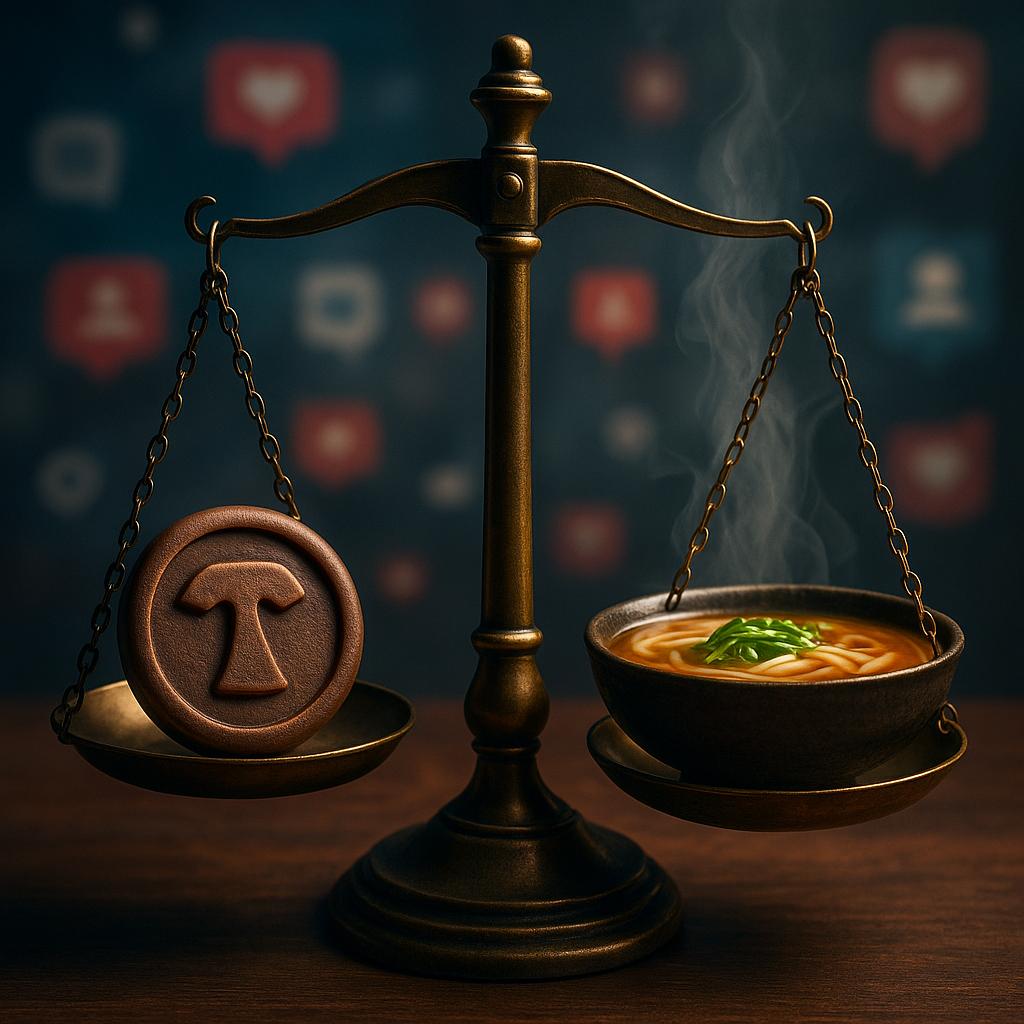
Pho registered its trademark in 2007, when the dish “pho” was not yet as popular outside of Vietnam. At that time, the trademark did not face any major legal challenges. However, in 2023, the TikTok platform became a platform for criticism of the restaurant, accusing it of monopolizing the name of Vietnam’s national dish.
In response, Pho decided to withdraw its claims to the word trademark “pho” in the context of catering and food delivery services. At the same time, the company retained the rights to its logo, which allows it to protect the brand in graphic form. However, this decision means that other restaurants can freely use the word “pho” in the names of their services, and the chances of it being re-registered are really minimal.
The Pho case reminds us of the importance of creating distinctive trademarks. Examples of brands like Kodak – a made-up word with no connection to the product – show that the best trademarks are easier to register and harder to challenge.
On the other hand, trademarks associated with popular words or concepts, as in the case of “pho,” carry a risk. They can become too “generic,” leading to the loss of their legal protection. Examples of brands that have fallen victim to their own success include Jacuzzi and Escalator, which have become generic terms for products and lost their trademark protection.
Social media, while potentially a source of crises, can also be a tool for strengthening a brand. Regularly reviewing a portfolio of trademarks in the context of the latest internet trends can help companies better manage their intellectual property.
The Pho case demonstrates that public reaction can be more powerful than legal arguments. Although the registration of the Pho trademark was in compliance with the regulations, the company decided that the value of its reputation outweighed the potential benefits of maintaining the trademark.
Companies need to take steps to protect their trademarks, but the way they do it matters greatly. In the case of Pho, aggressive enforcement of rights led to a PR crisis that could have n avoided. As you can see, it’s not always necessary to take formal legal action. Sometimes, a more educational and rational approach is sufficient. A good example is Netflix’s response in 2017 to an unauthorized bar inspired by the series Stranger Things. Instead of a formal cease and desist letter, Netflix sent a humorous letter full of references to the series, which helped to resolve the conflict without damaging the brand’s image. As you can see, protecting intellectual property should be thoughtful and flexible in order to avoid unnecessary conflicts that could harm customer relationships. In today’s rapidly changing world of social media, this approach is key to maintaining a competitive edge and brand reputation.
Fill out the form and we will get back to you within the next … with a preliminary quote.